I've always wanted to generate a parametric structural analysis model and I figured why not do it up big with one of my favorite towers, the Regis Tower in Chicago.
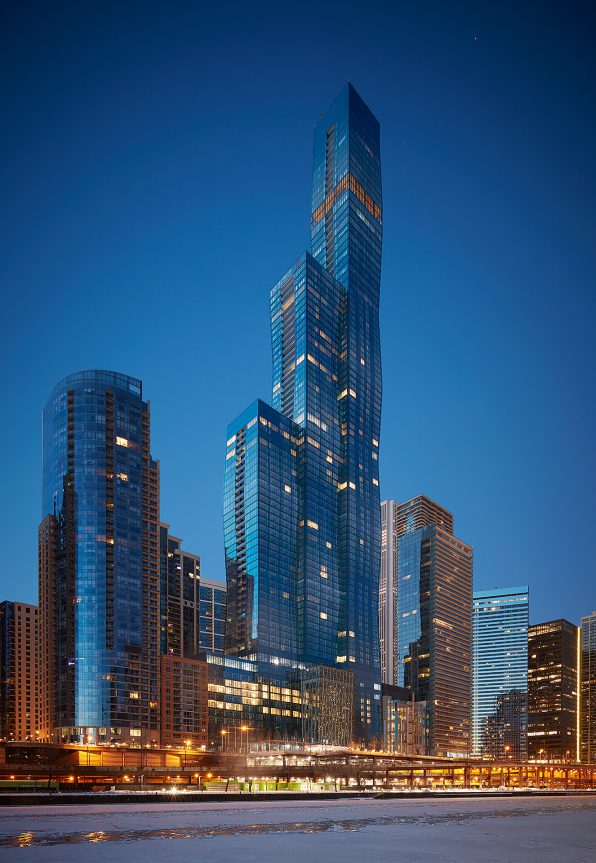
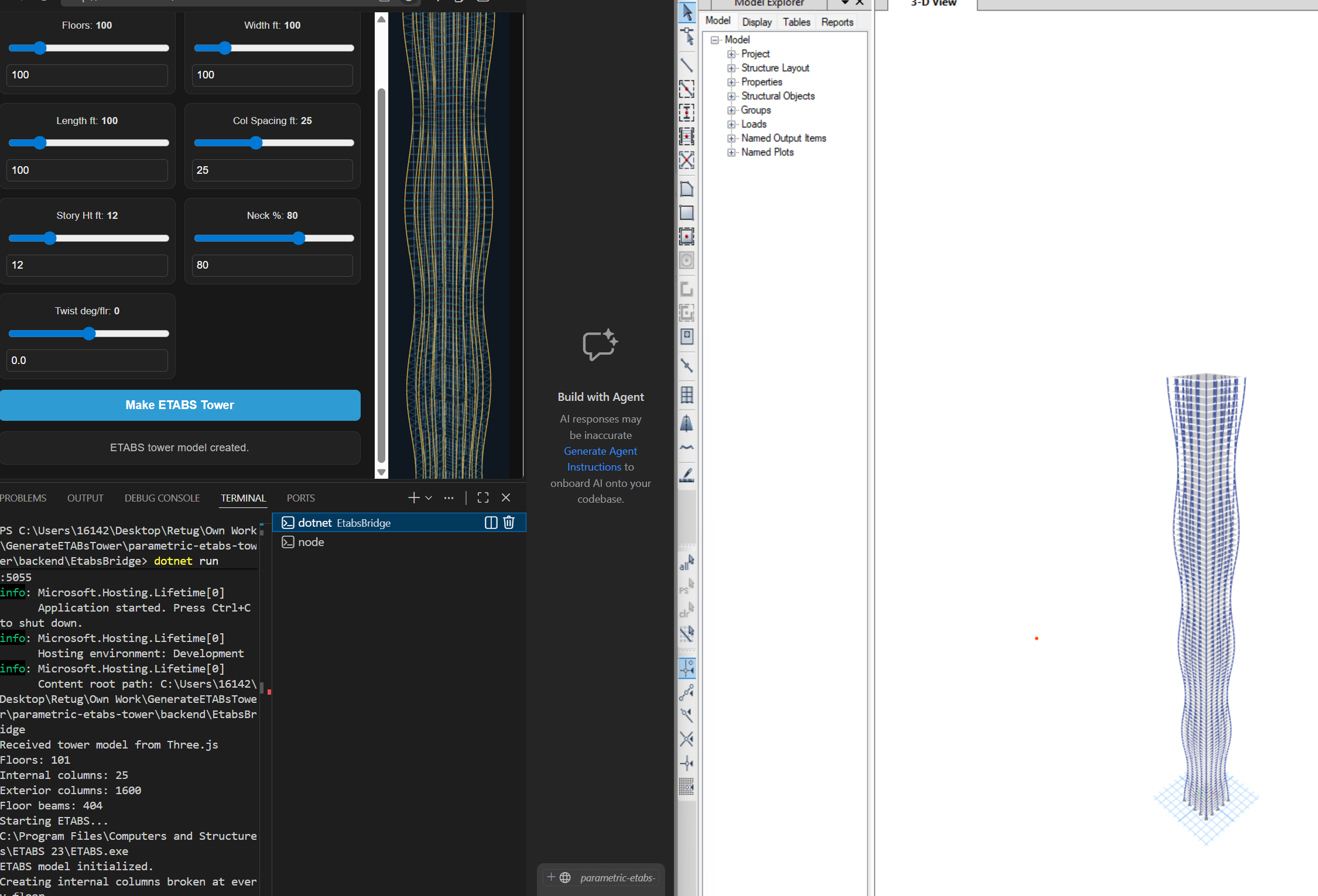
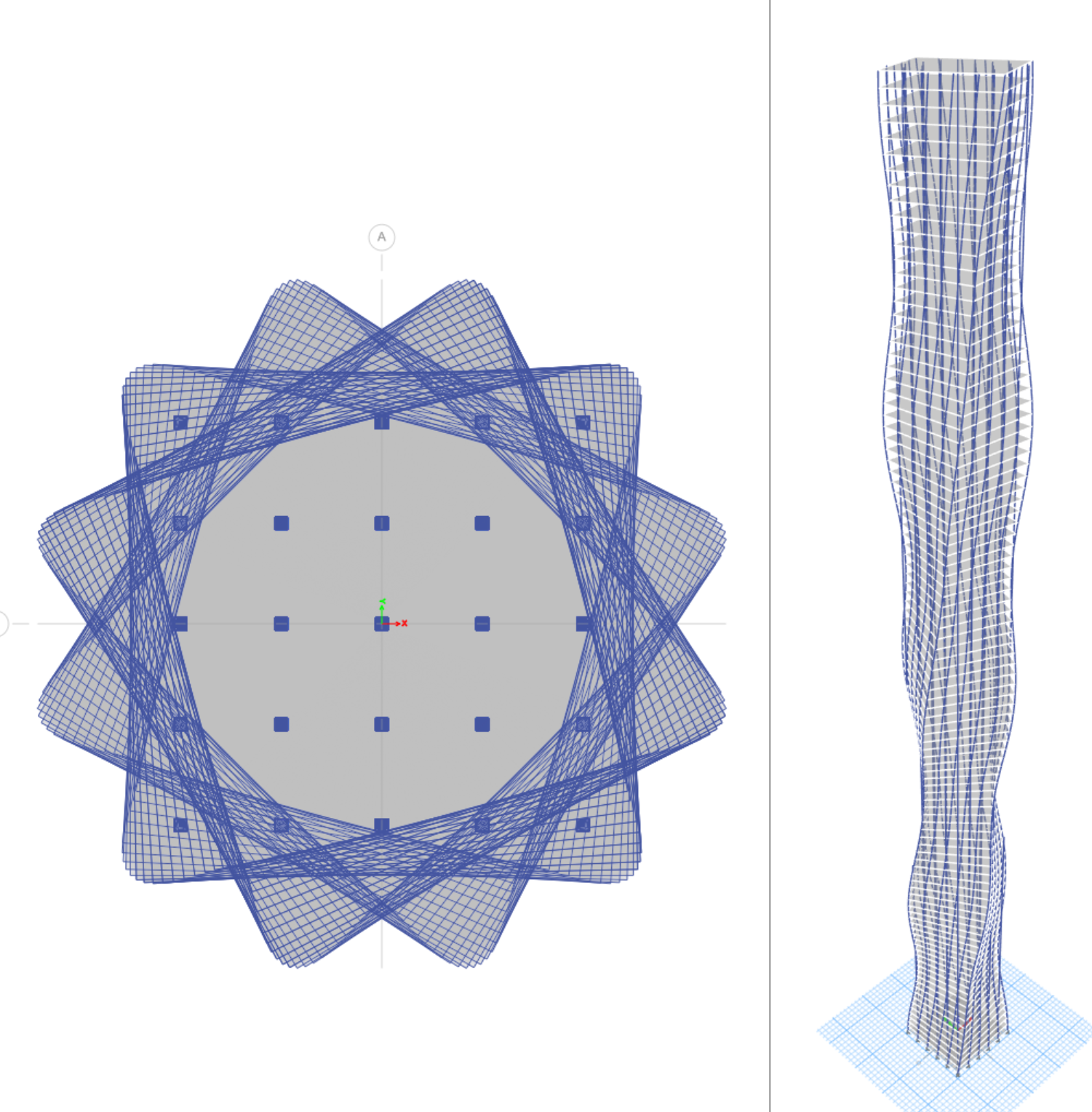
The form of the building appeals to my eye, it necks, it widens, it looks good to a structural engineer. The load path seems solid, yet the form still looks good too. Props to my old firm for making this beauty stand up and props to the architects that gave it this nice shape.
The code to make this happen can be found on github here:
https://github.com/retug/parametric-etabs-tower
I wanted lightweight user feedback, so I decided to use TypeScript and Three.js for the visualization. Once the architect — or in this case, my poorly trained structural-engineering-form eye — liked what he saw, the geometry could then be pushed directly into the structural analysis model.
First, I started by recreating the classic form of the St. Regis Tower.
Then I started playing around with adding a parametric twist to the geometry.
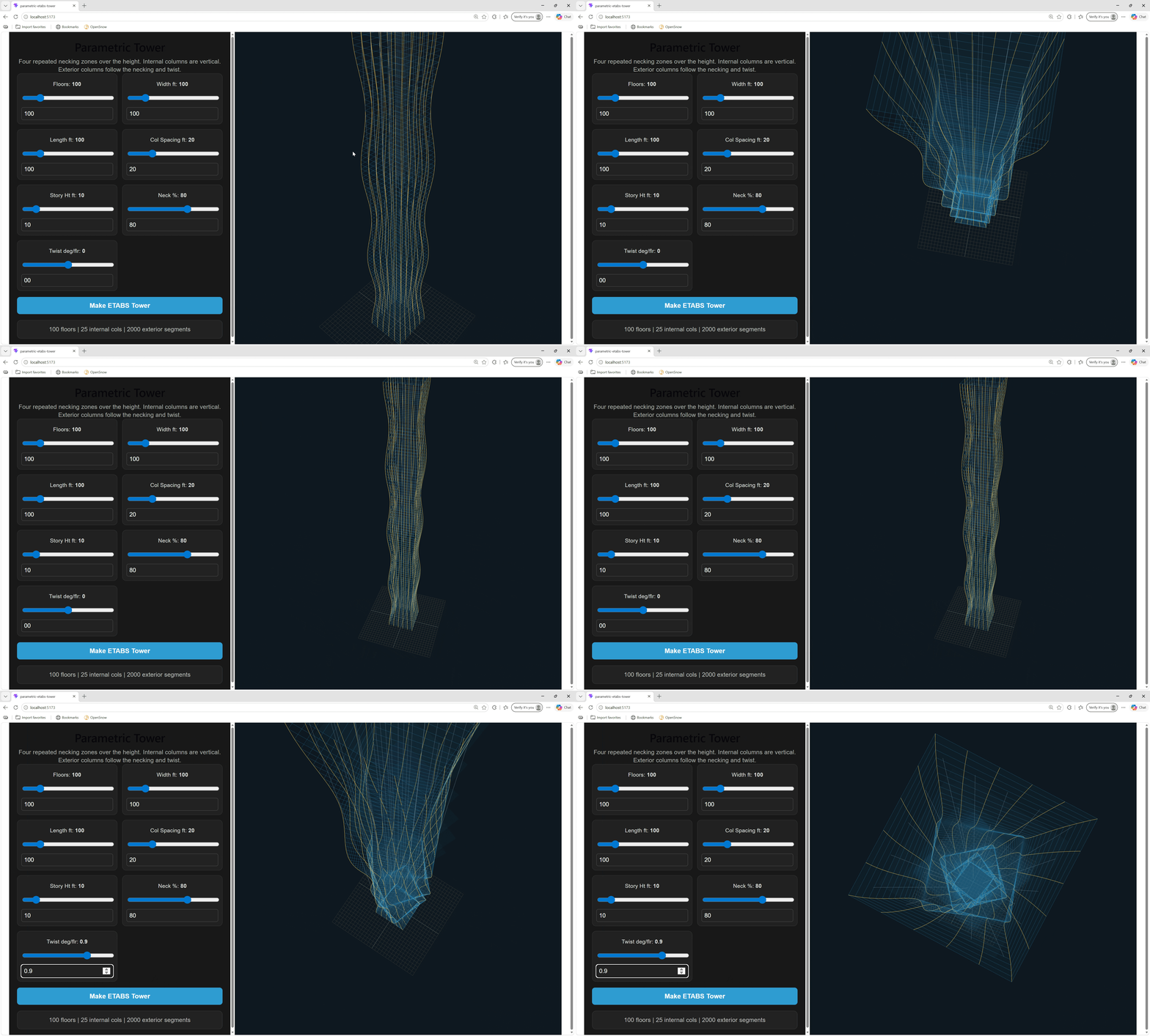
I still think the standard box shape looks the best and most elegant.
From a structural engineering perspective, this is really just a proof of concept, but imagine having to study all of these forms early in the design process. With some relatively simple coding and a handful of parameters, you can generate ETABS analysis models surprisingly quickly. I was really happy with how the Three.js front end paired with the ETABS and C# backend to generate the ETABS model.
Coding-wise, this was a bit tricky. Getting a web-based application to communicate with a local C# server setup took some effort, but after a few back-and-forth sessions with ChatGPT, I was able to get a working prototype up and running.
Hopefully this inspires others to start tinkering with parametric building design workflows. It feels powerful, and honestly like a huge time saver if you work with complex geometry like this.